



Descubre cómo Agile Teams mejora la colaboración, la sincronización y la entrega en tu proceso de diseño.
Descubre cómo Agile Teams mejora la colaboración, la sincronización y la entrega en tu proceso de diseño.
El diseño de PCB actual se enfrenta a estructuras de proyecto inconsistentes, flujos de trabajo en serie, desconexiones ECAD-MCAD y prácticas de lanzamiento desorganizadas. Esto genera trabajo extra evitable, iteraciones lentas y más riesgo en fabricación. Apúntate a esta sesión práctica sobre las capacidades de diseño de Agile Teams: cómo la gobernanza estructurada de proyectos establece bases de diseño estables, los flujos de trabajo colaborativos permiten un desarrollo eficiente con varios diseñadores, la integración entre dominios reduce la fricción electromecánica, y los procesos de lanzamiento controlados generan salidas de fabricación validadas y trazables, todo ello para acelerar el diseño y lanzar con más confianza.
No te pierdas esta oportunidad de descubrir cómo Agile Teams integra velocidad, estructura y flexibilidad en cada etapa de tu desarrollo de productos.
Las plazas son limitadas. Asegura tu plaza hoy y da el siguiente paso en el diseño de electrónica conectada.
Registration has recently closed. Check back soon for on-demand webinar.


 5
videos
5
videos

 00:25:17
•
Mar 12, 2026
00:25:17
•
Mar 12, 2026
00:25:17
•
Mar 12, 2026
00:25:17
•
Mar 12, 2026
Descubre cómo Agile Teams mejora la colaboración, la sincronización y la entrega en tu proceso de diseño.
 00:22:21
•
Mar 11, 2026
00:22:21
•
Mar 11, 2026
00:22:21
•
Mar 11, 2026
00:22:21
•
Mar 11, 2026
Discover how Agile Teams improves collaboration, synchronization, and delivery across your design process.
 00:18:45
•
Mar 12, 2026
00:18:45
•
Mar 12, 2026
00:18:45
•
Mar 12, 2026
00:18:45
•
Mar 12, 2026
Découvrez comment améliorer la collaboration, la synchronisation et la livraison tout au long de votre processus de conception grâce à Agile Teams.
 00:20:36
•
Mar 12, 2026
00:20:36
•
Mar 12, 2026
00:20:36
•
Mar 12, 2026
00:20:36
•
Mar 12, 2026
Entdecken Sie, wie Agile Teams die Kollaboration, Synchronisation und Umsetzung in Ihrem Designprozess verbessert.
 00:42:32
•
Mar 12, 2026
00:42:32
•
Mar 12, 2026
00:42:32
•
Mar 12, 2026
00:42:32
•
Mar 12, 2026
Scopri come Agile Teams migliora la collaborazione, la sincronizzazione e la consegna lungo tutto il processo di progettazione.
Descubre cómo Agile Teams mejora la colaboración, la sincronización y la entrega en tu proceso de diseño.
El diseño de PCB actual se enfrenta a estructuras de proyecto inconsistentes, flujos de trabajo en serie, desconexiones ECAD-MCAD y prácticas de lanzamiento desorganizadas. Esto genera trabajo extra evitable, iteraciones lentas y más riesgo en fabricación. Apúntate a esta sesión práctica sobre las capacidades de diseño de Agile Teams: cómo la gobernanza estructurada de proyectos establece bases de diseño estables, los flujos de trabajo colaborativos permiten un desarrollo eficiente con varios diseñadores, la integración entre dominios reduce la fricción electromecánica, y los procesos de lanzamiento controlados generan salidas de fabricación validadas y trazables, todo ello para acelerar el diseño y lanzar con más confianza.
¿Qué aprenderás?
¿Por Qué Asistir?
¿A quién va dirigido?

Alex has a background in electrical engineering and a strong passion for technical marketing. Graduating with a bachelor’s in electrical engineering from Clemson University in 2018, he has since excelled in various roles within the technology sector. Starting his career at Kyocera AVX, Alex served as an RF Field Applications Engineer, establishing strong client relationships and designing passive bandpass filters and antenna systems. He then transitioned to TDK as an Account Executive, where he provided sales and technical support, leading a dynamic sales team and offering design assistance to customers. Currently, Alex is a Technical Marketing Engineer at Altium, leveraging his technical expertise to develop marketing materials.

Majdi Thouabtia’s background is in electrical engineering, with several years of experience in hardware development and technical project management. He has worked across the full hardware lifecycle, from EMC-compliant circuit design and PCB layout to prototyping, testing, and production. Throughout my career, Altium Designer has been a key tool in his daily work, so he is especially proud to now be part of the team behind it.
Before joining Altium, he contributed to projects in the EV charging and IoT sectors, leading development efforts and collaborating with cross-functional teams and external partners. He holds a Master’s degree in Electrical Engineering from FAU Erlangen-Nürnberg.

Martin Malenica has a masters in electronic and computer engineering at the University of Zagreb. His previous experience consists of multiple embedded systems positions at robotics start-ups (Gideon with USD 35m in Seed and Series-A funding) and SMEs. His engineering strengths lie in system architecture, PCB design and embedded programming. Aside from engineering, Martin has spent the last 1.5 years working at a leading European management consulting firm, where he focused on strategies to support large OEMs and Tier-1s regarding the current semiconductor shortage across the whole EMEA region. Martin has practical experience within AD, but also a good understanding of competitor tools, especially on the procurement and supply chain side, like Everstream, Resilinc, Silicon Expert, Z2Data etc. Martin Joined Altium in 2023 as part of the Technical Sales team in Germany.

Simone joined Altium in 2018 as a Technical Sales Engineer and works closely with the sales team, taking care of both prospects and existing customers, supporting them with technical sales and marketing activities on Altium's products and services. He earned the Degree in Telecommunication Engineering at the University of Pisa (Italy). Simone started working in several sectors, from IT/networking, wireless and satellite communications and mechanical industries, where he gained more than 10 years experience in both Pre-Sales and Post-Sales technical support.
Contáctenos
Una plataforma unificada para la colaboración multidisciplinaria avanzada
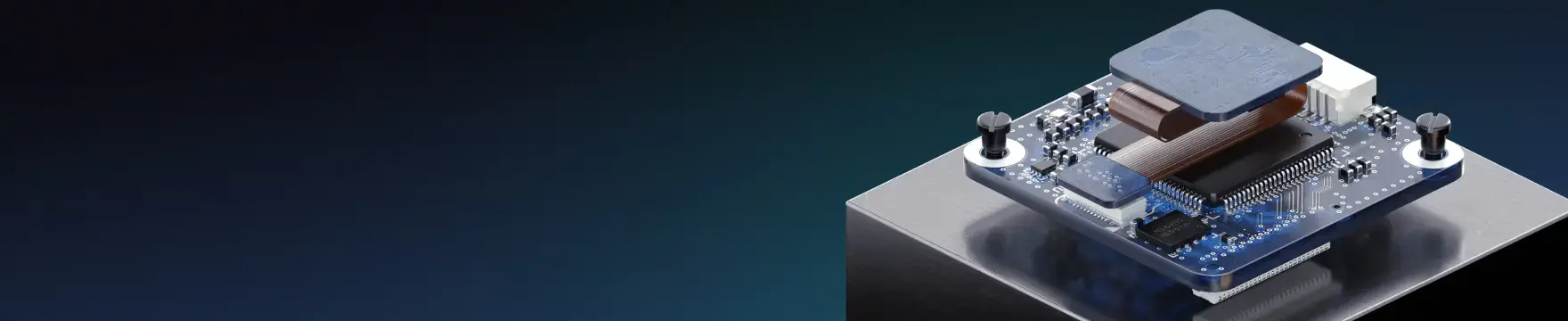

Equip engineers with everything needed to design modern, high-performance PCBs.
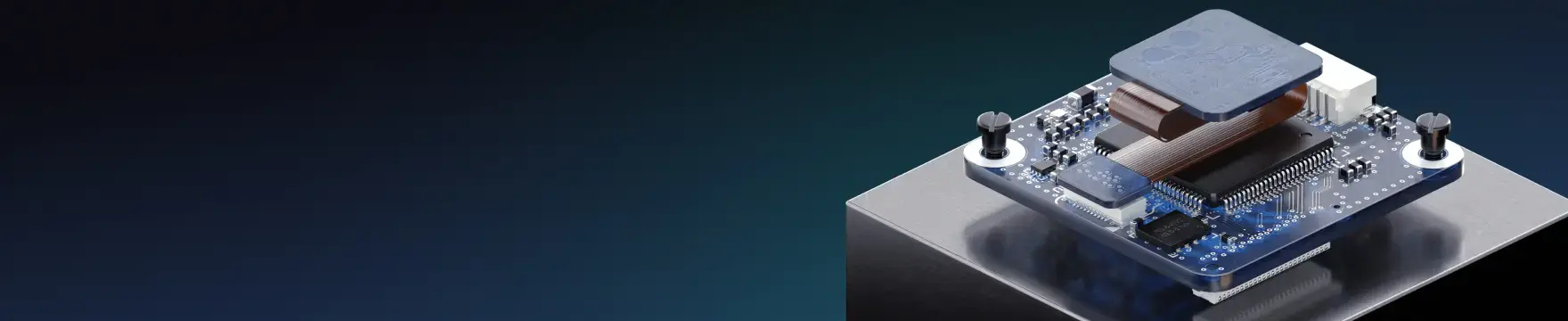

Combine advanced PCB design with cloud-based collaboration to streamline development.