






What Your Bill of Materials Says About EMC

At a Glance
See how your BOM signals EMC success or failure. Learn which parts, alternates, and reserved footprints de-risk noise, cut redesigns, and speed compliance.


Electromagnetic compatibility (EMC) usually shows up late in the product development cycle, when it's too late and modifications are too expensive for any project manager. EMC problems are often detected during pre-compliance or compliance testing, but they're born much earlier.
Key Takeaways
- Treat EMC as a design constraint. Run design reviews and follow a systematic process to avoid late-stage surprises.
- Many products fail initial EMC tests, but proactive practices significantly increase the odds of passing.
- Choose well-documented parts. Changing components late is slow, risky, and often requires redesign.
- Reserve PCB space for potential EMC parts and vet equivalent replacements carefully.
EMC Is More Than a Checkbox
There's a common belief that EMC is always difficult, so it must be difficult for every project. This is one of many reasons why companies leave it for the end, failing EMC tests and being forced to go through expensive retesting cycles. However, EMC is not just a stamp on a certificate. It ensures that an electronic device will work reliably in every environment.
EMC Should Not Be Hard
A high number of electronic products that are tested in an EMC laboratory fail the first time. Nevertheless, there are techniques to increase the chances of passing EMC tests the first time and keeping the project members happy.
- Start at the beginning: Include EMC in the requirements list, so it becomes a design constraint.
- Run design reviews: Four eyes see more than two, and it is very easy for hardware designers to be so deeply involved in their designs that they overlook things that can provoke an issue in the lab.
- Be systematic: The amount of stress in a project skyrockets when the tests start failing.
Therefore, it is important not to lose focus and be systematic at every stage.
Component Selection, a Critical Step
Of all the steps a hardware designer can take to reduce EMC risks, component selection is one of the most critical. First, well-chosen parts can make the difference between passing and failing EMC tests. Second, adding or modifying components later in the development cycle is often difficult, time-consuming, or even impossible without major redesign.
How to Reduce EMC Risks When Selecting Components
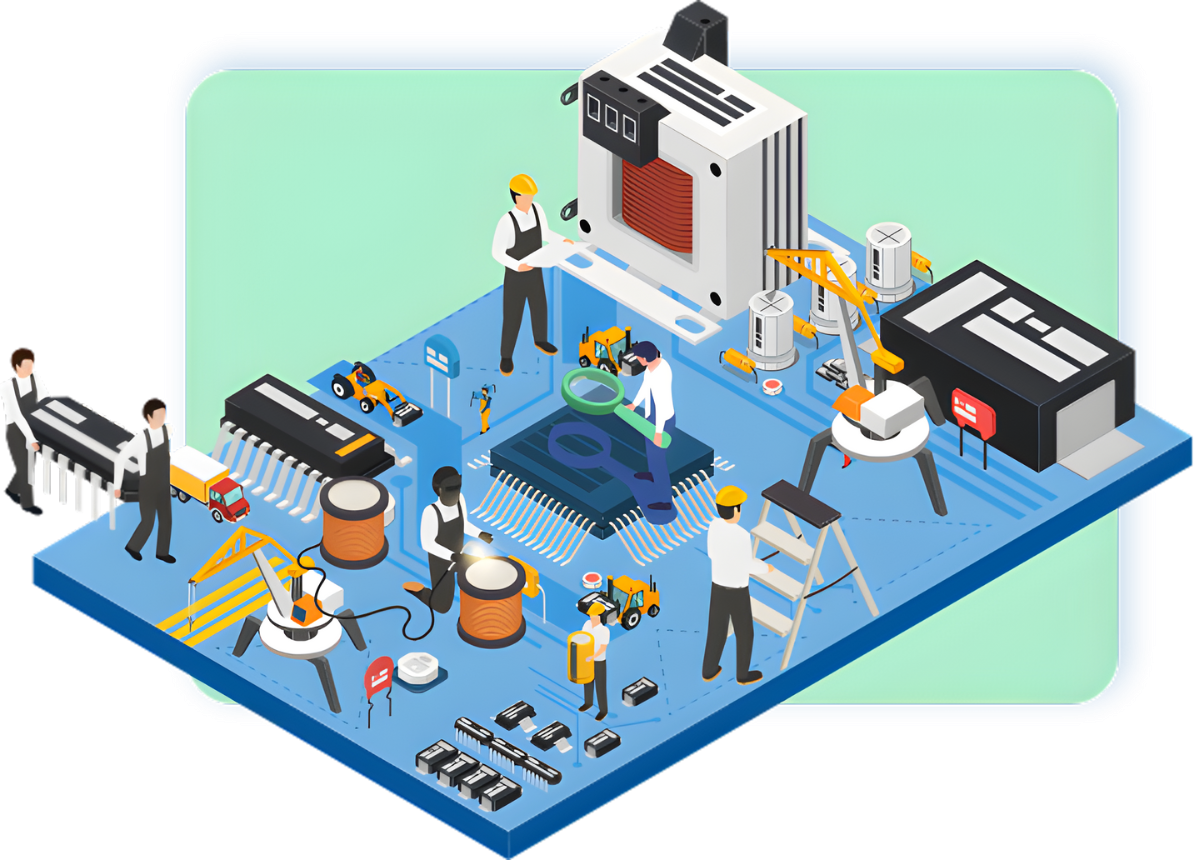
There are components that are well known for helping with EMC problems (chokes, ferrites, protection devices), so most hardware designers have them in mind when designing a new circuit. However, knowing the specific component and where to add it, without impacting other areas of the design, like manufacturability or cost, is the real challenge.
Here are some recommendations when selecting components for EMC:
- Choose well-documented components: The information provided by manufacturers is usually a snapshot, the behavior of the component under a specific set of conditions. Choose components with proper application notes and comprehensive datasheets.
- Reserve the space: At the design stage, not everything is clear from the beginning. When it is not clear whether a component is needed or not, add it and leave it unpopulated so it has its own space. It is easier to remove a part than to try to squeeze one in at the last minute.
- Be careful with replacements: Two components might seem identical, but they might not be from the EMC perspective. Check carefully the specifications of both components before defining them as alternates.

Conclusion
Component selection has a huge impact on the outcome of the EMC performance of an electronic system. It is important to have a clear strategy and be systematic when selecting new components. When done carefully, the chances of passing EMC tests with confidence are high.
Fix your expensive EMC/EMI problems with DENPAFLUX expertise at any stage of hardware development.
Related Resources
Related Technical Documentation
Table of Contents
Solutions for Every Role and Team
- Discover and evaluate design options earlier
- Develop in one shared workspace
- Scale with control and compliance
- Connect every stage of hardware development
Learn More
Thank you, you are now subscribed to updates.