Design for manufacturing (DFM) is the process for design engineers to review the design of a product to optimize its dimensions, materials, tolerances and functionality through the most efficient manufacturing means possible.
This episode is all about smart engineering. Learn how an automated process can help increase your profits and revenues.
Whether you’re a first-time designer or a hardened veteran, the integrity of your designs relies heavily on inspecting a
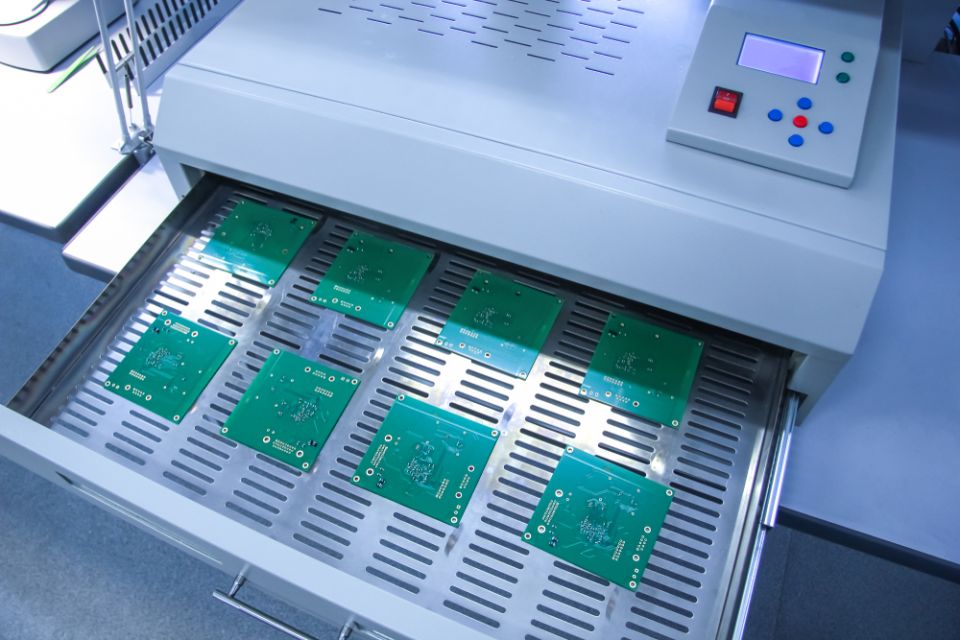
Read our guidelines for designers who want to ensure successful double-sided PCB soldering.
“Blindly” adopting what a crystal oscillator data sheet says usually results in adequate frequency stability. An oscillator requires the phase shift around the loop to be 360° and this total phase shift must be a precise and stable oscillation frequency.
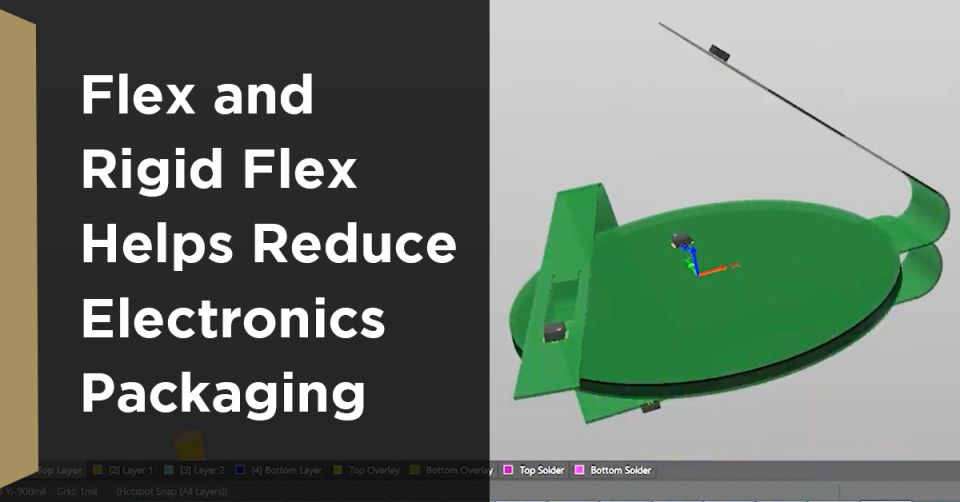
The two predominant reasons for using flex or rigid flex, are to solve a packaging issue or reduce the space and weight of the electronics package. These two are often interrelated and space, weight and packaging, (SWaP) will continue to be a driving force in PCB design.
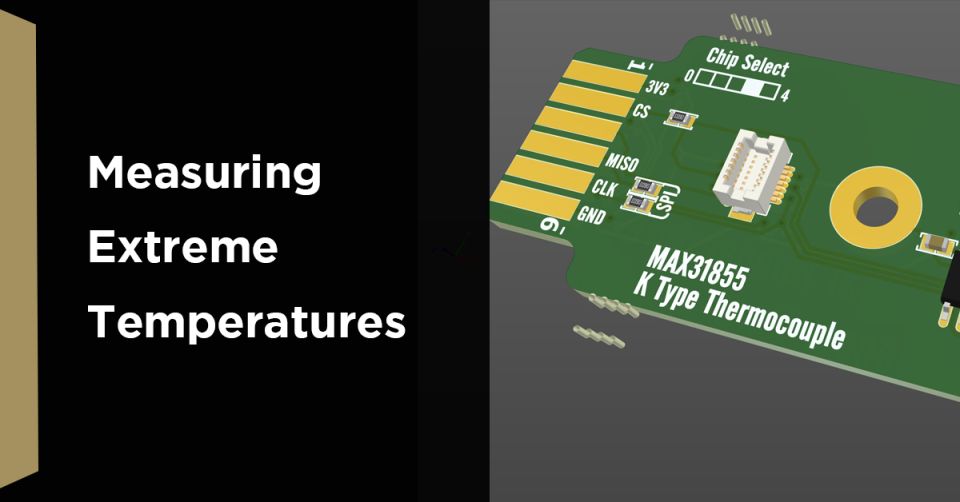
Thermocouples are the final sensor type in a series where we look at all the main types of temperature sensors
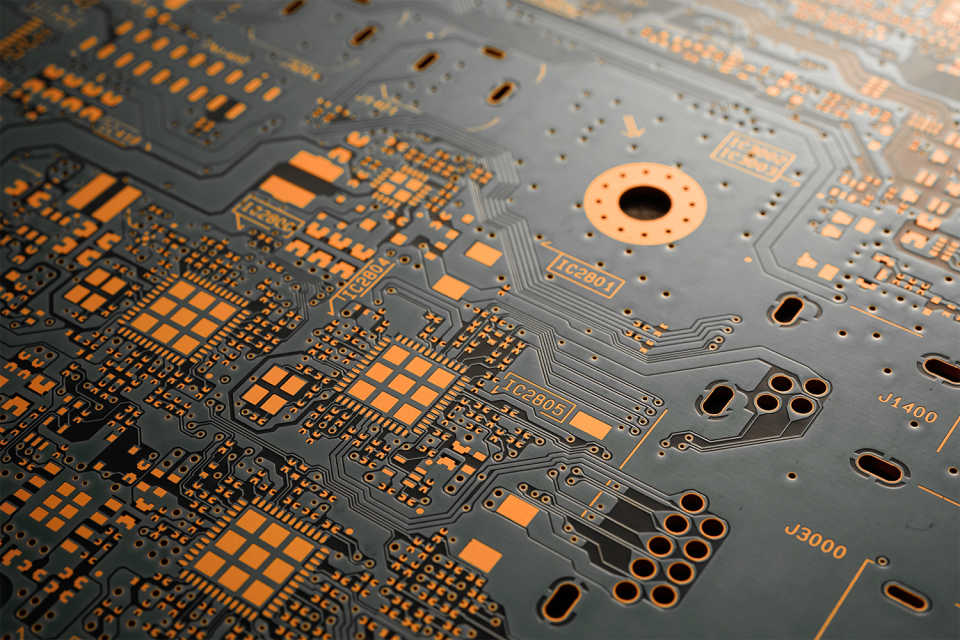
Antipads in your PCB can create a signal integrity problem if not used properly. Here are some guidelines to help you get started.