





Collaborative Engineering: Reviewing Anywhere, Anytime with Team Ribbot

At a Glance
This article delves into the innovative collaborative engineering practices utilized by Team Ribbot, a group of engineers remotely designing a combat robot for the BattleBots Pro League. It highlights the challenges of traditional design reviews, emphasizing the need for effective communication and easy access to designs in a distributed team.


The hardest part of a design review is not the feedback. It is getting access to the design in the first place. To check a layout, a project lead, a teammate, or a sponsor usually has to request a large CAD export, pay for a software seat they need only occasionally, or sit beside the engineer while they drive the tool. Those constraints turn a routine review into a scheduling problem, and they push teams back onto screenshots and email to move feedback from one person to the next. For a team that does not share a building, or even a time zone, that model falls apart.
Key Takeaways
- Reviewers open live schematics, layouts, and 3D board views in a browser, with no design tool installed and no license required.
- Comments attach directly to the component or net they describe, so feedback never separates from the design.
- A distributed team reviews and responds on its own schedule, removing the wait for a shared meeting or a returned email.
- Thorough review on live data catches design and manufacturing issues early, which reduces the need for costly board spins.
The Ribbot Case: Reviewing Designs Anytime, Anywhere
Ribbot is a 250-pound combat robot built for the BattleBots Pro League. The six engineers who design it live across five states, on the East Coast and the West Coast, and they build the robot after hours. Every one of them holds a full-time engineering job. This is the hobby project that happens in the evenings and on weekends.
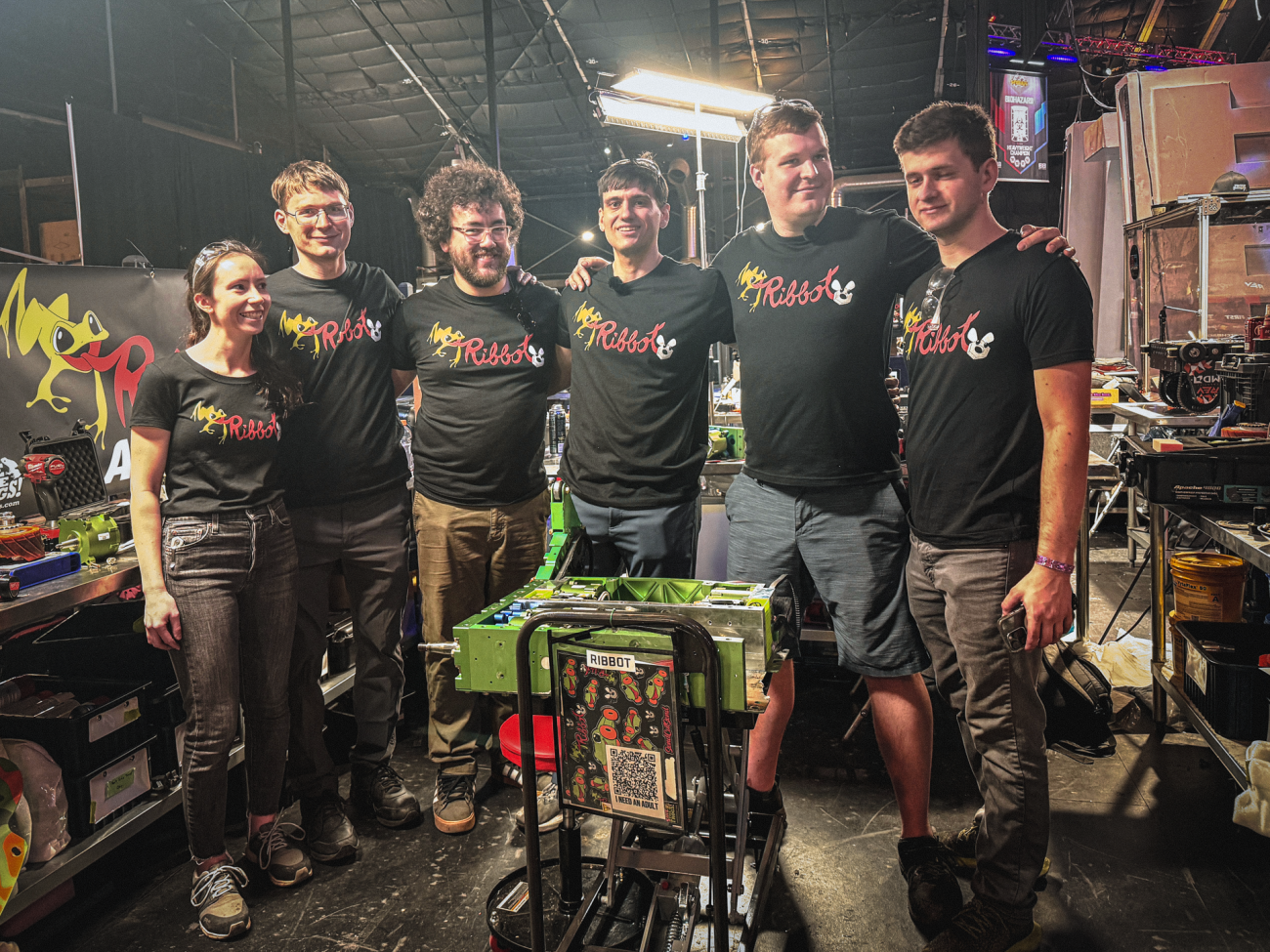
That structure puts unusual pressure on review. The team cannot pause for a scheduled design review the way a co-located team can. There is no shared whiteboard and no late-night session in the same lab. Yet the designs are demanding: custom motor controllers, a 10 kW water-cooled drive system, and complex board geometry packed into an armored shell. Work this dense needs careful review before anything reaches fabrication, and it needs that review from people who are rarely free at the same time.
With browser-based review in Altium 365, any team member opens the current project from a laptop, tablet, or phone by clicking a link. If a teammate wants to check the clearance on the latest weapon motor controller at midnight, they rotate the 3D design in a standard browser, mark the part in question, and leave a comment on the spot.
The Disconnect Between Reviewers and CAD
The root problem in hardware review is the gap between where feedback is given and where design happens. A reviewer marks up a static PDF or drops a note in a project management tool, and that feedback lives in its own bubble. The engineer then has to read the comment, return to their workstation, open the CAD tool, and hunt for the exact part or coordinate the comment refers to. The translation step is where time and meaning leak away.
Old Workflow: The PDF and Screenshot Chase
In previous years, review depended on hand-built documentation. At review time, someone captured a set of 3D screenshots, dropped them into a slide deck or annotated PDF, and emailed it around. Reviewers without CAD access wrote their notes in a spreadsheet: "Connector near the left border is too close to the frame bracket." The engineering team then matched those approximate descriptions back to the real design, which often took hours.
For a team spread across five states, the chase was worse. Feedback stacked up behind availability, arrived detached from the design, and waited on the next email. A team with no spare hours could not afford that delay.
New Workflow: Interactive Cloud Feedback
Now the team reviews live designs in the browser. When an engineer pushes a project through MCAD CoDesigner, Altium 365 generates an interactive 3D representation that opens in any standard web browser. The design on screen is the live one, not a stale export.
The reviewer works with full context. They toggle layers, identify components, measure clearances, and place comments directly on the model. Every comment is stored in one place, anchored to the specific design object it refers to, and anyone with the right permission can reply. Because the workspace is in the cloud, a teammate can log on after the East Coast members have gone to sleep, see the comments waiting, and respond without waiting on a message or an email that may never arrive.
Fewer Spins, More Confidence
Open review is part of how Ribbot avoids unnecessary prototypes. The team runs enough design reviews to reach real confidence before committing a board to fabrication, and that confidence depends on letting every relevant person see the design and weigh in. Reviewers who do not hold a design license still take part fully. Comments left in the online portal keep the conversation in one place.
For a team with a limited budget and limited hours, this is decisive. A board spin costs money and, more painfully, time the team does not have. Catching an issue during a browser review, rather than after a board arrives, is the difference between finishing on schedule and missing the competition.
"Thorough reviews, allowing other users to view the designs without designer licenses, are big. Comments that can be left in the online portal are another thing. Just facilitating review." — Nick Sorensen, Principal Electrical Engineer
Closing the Feedback Loop
Altium 365 makes every design in the workspace viewable in a browser. Schematics, PCB layouts, and 3D board views open through a web link, so reviewers join without a design seat and without installing software. Two things make this work for a distributed team:
- No licensing hassle - A reviewer inspects the design, toggles visibility layers, and measures distances from a URL in their browser. No Altium Designer seat and no desktop MCAD tool required.
- Access everywhere - Once a milestone is uploaded, every stakeholder can open the design, point to a specific component, and leave feedback from any device, anywhere, at any time.
Contextual comments anchor each note to a specific design object, which keeps review precise and traceable. For a distributed team, this turns review from a scheduling problem into an asynchronous one. Each person contributes when they have a few minutes, from wherever they are, and the design carries the full record of who said what and where.
Review Design Changes Online (Step-by-Step)
Engineering on a Single Page
Ribbot proves that a serious design review needs neither a shared room nor a shared schedule. With browser-based viewing and contextual comments, a team scattered across five states and several time zones reviews demanding designs on its own time, catches issues early, and ships a competition-ready robot on a six-week clock.
Bring everyone into the review, wherever they are. See how collaborative web review works in Altium 365.
Design Review Anywhere: Frequently Asked Questions
Do reviewers need a paid CAD license to view a design and leave comments?
No. Anyone invited to the workspace can open schematics, layouts, and 3D views in a browser without a design license and without installing Altium Designer or a desktop MCAD tool. This lets mechanical engineers, firmware engineers, sponsors, and other stakeholders review the design directly.
Can reviewers access the web viewer from mobile devices?
Yes. The viewer works on any device with a browser and an internet connection. Stakeholders and team leads can check component placement, rotate the board, and respond to comments from a phone or tablet.
Does everyone need to be online at the same time to review?
No. The workspace is cloud-based, so a reviewer can leave comments at the end of their day and a teammate in another time zone can pick them up later. This is how Team Ribbot reviews across five states without waiting on a shared meeting.
How secure is the web viewer when sharing designs with external partners?
Access is permission-based with granular control over who can do what. You can share a link that lets someone view geometry and add comments without granting full access to the design data, which keeps review open without exposing the entire project.
Can I see historical comments after a design has been updated?
Yes. Comment threads are stored chronologically in the cloud and can be filtered by status, such as active or resolved. The history gives a traceable record of the discussion across design changes.
Related Resources
Related Technical Documentation
Table of Contents
- Key Takeaways
- The Ribbot Case: Reviewing Designs Anytime, Anywhere
- The Disconnect Between Reviewers and CAD
- Old Workflow: The PDF and Screenshot Chase
- New Workflow: Interactive Cloud Feedback
- Fewer Spins, More Confidence
- Closing the Feedback Loop
- Review Design Changes Online (Step-by-Step)
- Engineering on a Single Page
- Design Review Anywhere: Frequently Asked Questions
- Do reviewers need a paid CAD license to view a design and leave comments?
- Can reviewers access the web viewer from mobile devices?
- Does everyone need to be online at the same time to review?
- How secure is the web viewer when sharing designs with external partners?
- Can I see historical comments after a design has been updated?
Solutions for Every Role and Team
- Discover and evaluate design options earlier
- Develop in one shared workspace
- Scale with control and compliance
- Connect every stage of hardware development
Learn More
Thank you, you are now subscribed to updates.