








Change Management Guide

At a Glance
This article outlines a practical approach to implementing Altium through structured change management, focusing on communication, leadership alignment, goal setting, governance, and ongoing adoption support. It shows how to guide teams through the transition, build engagement, and measure success while reinforcing skills and continuous improvement during the rollout. Read on to learn how to drive successful adoption and ensure your organization realizes lasting value from your investment.


Introduction
Change management is a structured approach to guiding individuals, teams, and organizations from a current state to a future one. This guide provides a practical playbook for successfully implementing Altium, driving team adoption, and maximizing long-term value.
Business Case for Change Management
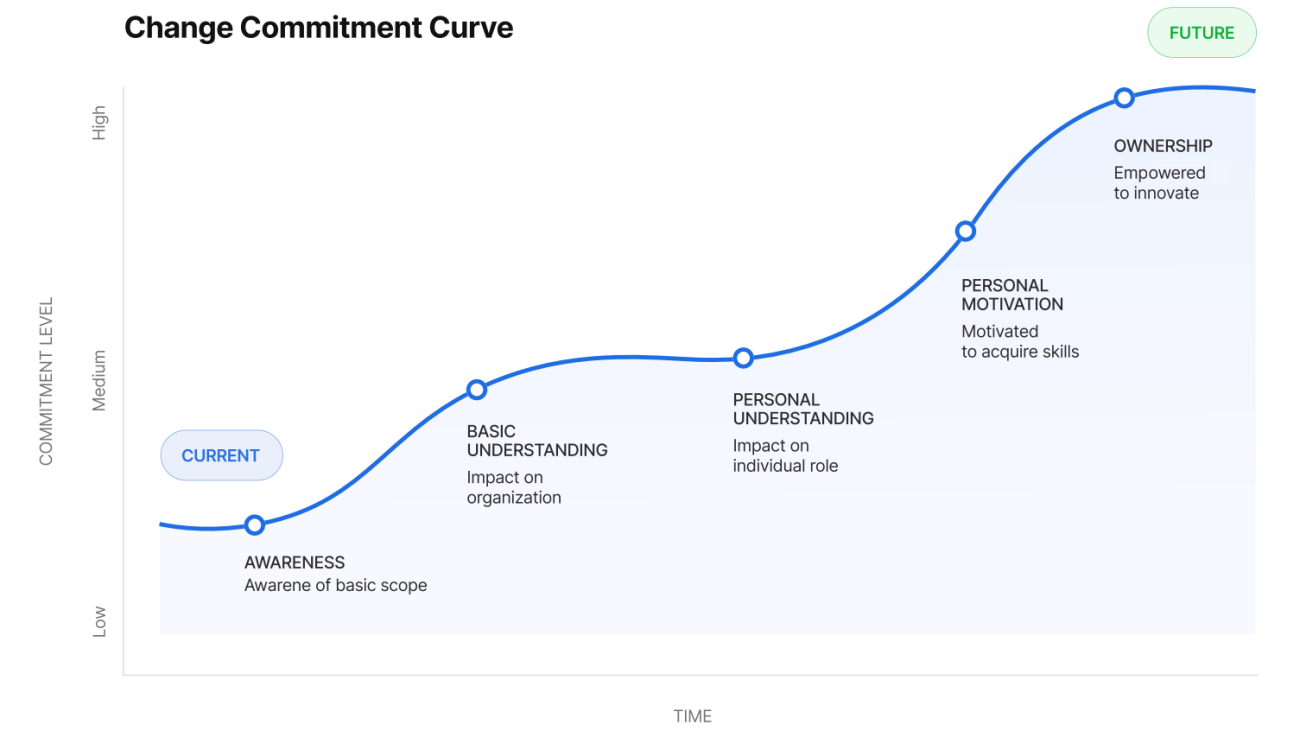
Implementing new technology without change management often leads to low adoption and missed goals.

01 - Strategic Communication
Why it matters: Clear, consistent communication builds trust, eases anxiety, and drives engagement.
Action Steps:
- Develop a communication calendar covering all major milestones
- Use diverse channels like email, meetings, and collaboration tools
- Tailor messages to executives, managers, and end users
- Address concerns transparently and early.
Email Timeline:
- Announcement Email: Introduce Altium (2–3 weeks pre-launch)
- Kickoff Email: Highlight benefits and training (1 week before)
- Tips & Tricks: Share practical how-to's (bi-weekly)
- Success Stories: Reinforce progress and celebrate wins (monthly).
Resources: Email Templates
02 - Leadership Alignment & Sponsorship
Why it matters: Executive buy-in signals importance, allocates resources, and legitimizes the change.
Action Steps:
- Engage executive sponsors early and align messaging with business goals
- Empower them to communicate consistently across the organization
- Set regular sponsor updates and checkpoints.
03 - Goal Setting & Metrics
Why it matters: Defined goals provide clarity and measurable benchmarks for success.
Action Steps:
- Establish baseline data before rollout begins
- Define short-term goals (first 3 months) and longer-term outcomes (12+ months)
- Track metrics tied to business goals, such as collaboration, efficiency, or quality gains.
Examples:
- Short-Term Goal: Migrate component library to Altium within the first 30 days
- Short-Term Goal: Train 100% of design engineers on Altium collaboration tools within 60 days
- Long-Term Goal: Increase cross-functional collaboration by 30% (measured by shared project participation) over 12 months.
Key Questions:
- What pain points are we solving?
- What does success look like?
- How will we track and prove value?
04 - Governance Framework
Why it matters: Structured roles and decision-making prevent delays and confusion.
Key Roles & Responsibilities:
- Executive Sponsor: Provides vision and budget support
- Steering Committee: Oversees strategy and cross-functional alignment
- Change Manager: Drives daily execution and coordination
- Champions Network: Educates, motivates, and supports peers
- End Users: Share insights and feedback to improve the rollout.
Best Practices:
- Hold monthly steering committee meetings to resolve blockers and align on priorities
- Empower champions to escalate feedback and drive continuous improvements from the ground up
- Define clear responsibilities and expectations for each role at the start of the project.
05 - Change Champion Network
Why it matters: Champions bring credibility and peer-level trust to the change process.
Action Steps:
- Select champions based on communication skills, influence, and enthusiasm
- Provide advanced product training and exclusive resources
- Hold regular syncs to gather insights and provide updates
- Publicly recognize their contributions to reinforce leadership.
Best Practices to Drive Engagement:
- Launch a Champion Spotlight series to highlight successes and boost moral
- Encourage champions to host office hours or short weekly Q&A sessions
- Create a dedicated channel or forum where champions can share tips and help resolve common issues
- Include champions in early feedback loops for feature rollouts and training resources.
Resources: Ask the Expert
06 - Capability Development
Why it matters: Adoption requires confidence and skill — not just access to the platform.
Action Steps:
- Assess user readiness and training needs by role
- Deliver live and on-demand learning paths tailored to workflows
- Provide job aids and quick reference guides for just-in-time learning
- Use feedback and completion data to improve training over time.
Resources: Learning Hub
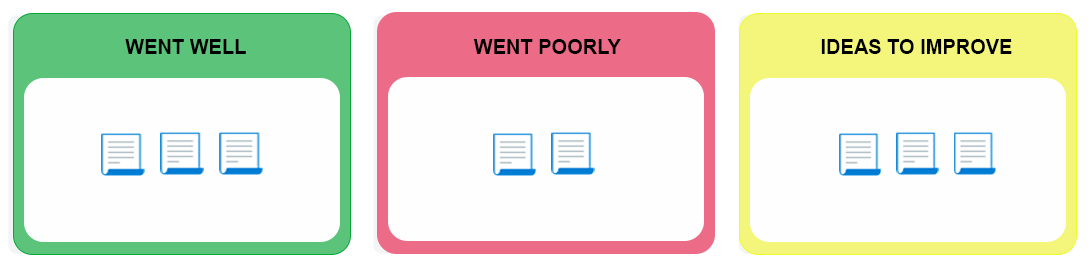
07 - Continuous Improvement
Why it matters: Sustaining adoption means adapting as user needs and business goals evolve.
Action Steps:
- Conduct retrospectives at key milestones to reflect and learn
- Offer anonymous feedback channels for honest input
- Document best practices and use them to refine the rollout
- Celebrate milestones and highlight individual/team success.
Essential Resources
✉ Internal Email Templates 🤝 Altium Service Partners
📖 Learning Hub 🚀 Ask the Expert
Related Resources
Related Technical Documentation
Thank you, you are now subscribed to updates.