





Unified PCB Design Tools: What Modern Electronics Teams Need to Know

At a Glance
Why do teams need unified PCB design? Learn how a single data model beats disconnected tools and solves modern complexity and supply chain challenges.


For too long, electronics design has been defined by a fractured software architecture. Engineers are forced to manually bridge separate applications for schematics, layout, simulation, and data management. This fragmented technical foundation is a critical liability. It creates data silos, invites costly errors, and slows product teams to a crawl. The only way to keep up is to abandon this model in favor of a fundamental shift in methodology: unified design. To clear up any misunderstanding, we’re going to break down what a truly unified platform actually is and why it's a non-negotiable requirement for modern hardware teams.
Key Takeaways
- Unified vs. Integrated: A truly unified design platform is not just a bundle of tools; it's a single environment built on a unified data model, creating a single source of truth for the entire design.
- Modern Challenges: Disconnected toolchains fail to meet the demands of modern electronics, which are defined by rising system complexity, globally distributed teams, and volatile supply chains.
- Core Capabilities: Modern platforms must natively combine schematic capture, 2D/3D PCB layout, real-time supply chain data, integrated simulation, and cloud-based data management.
What Does "Unified PCB Design" Actually Mean?
A unified PCB design tool is a software environment in which all aspects of the design process, from schematic capture and simulation to PCB layout and manufacturing documentation, are driven by a single, underlying data model, which is the critical difference: it’s not a suite of separate tools bridged together, but one cohesive application.
For decades, engineering teams have wrestled with franken-toolchains, an all-too-common workflow of using one tool for schematics, another for layout, a third-party tool for simulation, and countless spreadsheets for BOM and supply chain management. Every time data moves between these tools, it requires a manual export and translation, introducing risk, wasting time, and creating data silos.
A unified platform eliminates this. When the schematic, the 3D model, the component library, and the PCB layout are all just different views of the same core data, changes are instant and universal. There is no syncing because there is no data to sync. This creates a single source of truth for the entire project, which is the foundation for modern electronics development.
The Core Challenges Driving the Need for Unification
The shift to unified platforms is a direct response to fundamental pressures on modern engineering teams. Disconnected tools are a liability when facing three primary challenges.
Rising System Complexity
Today’s products are rarely a single, simple board. Modern electronics involve multi-board systems, high-speed digital design, RF, and complex power (PDN) considerations, all packed into shrinking mechanical enclosures.
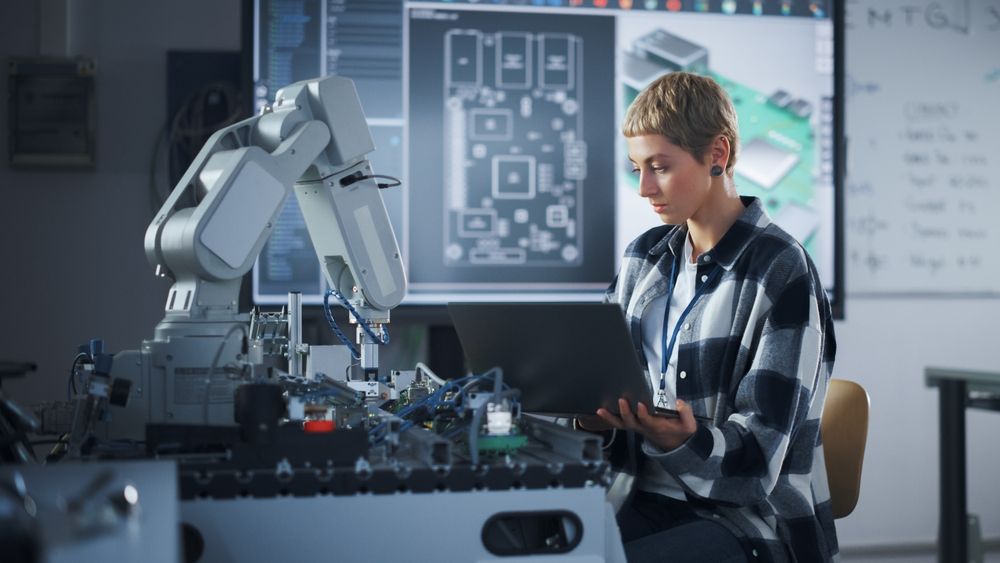
In a siloed workflow, ensuring the rigid-flex board fits the 3D-modeled case is a constant back-and-forth of exporting and importing STEP or IDF files. In a unified environment, the ECAD and MCAD domains are natively linked. The PCB designer can view the mechanical enclosure in real time, check clearances, and collaborate with the mechanical team, preventing costly integration errors.
Distributed Teams and Remote Work
The era of the entire engineering team being in one office is over. Teams are now globally distributed, with designers, simulation experts, and component engineers working in different time zones.
An old toolchain based on desktop licenses and shared network drives simply breaks down. It leads to version control nightmares, with engineers accidentally overwriting each other's work. A modern, unified platform, such as Altium Develop, is cloud-enabled and provides Git-style version control as well as centralized component libraries that are accessible to any team member, anywhere.
Supply Chain and Manufacturing Volatility
The component shortages of recent years exposed a massive flaw in disconnected design: by the time a design is finished, the parts chosen may be obsolete, out of stock, or prohibitively expensive.
A unified platform integrates the latest supply chain intelligence directly into the design environment. As the engineer chooses a component, they can see live pricing, stock levels, and lifecycle status from services like the Octopart data stream. This allows teams to de-risk their BOM during the design process, not after, and create manufacturing-ready variants without managing separate, error-prone spreadsheets.
Key Capabilities of a Truly Unified Platform
When evaluating tools, "unified" is the key capability to look for. Here are the non-negotiable features that define a modern, unified platform:
- A Unified Data Model: As discussed, this is the core. A change to a component in the library should be instantly reflected in the schematic and on the PCB, with no manual intervention.
- Native 3D (ECAD/MCAD Co-design): The ability to switch between 2D and 3D views of the PCB instantly and to co-design with mechanical tools (SolidWorks, Inventor, Creo) in real-time.
- Integrated Simulation: The power to run SPICE analysis, signal integrity checks, and power delivery network (PDN) analysis using the same schematic and layout data, without exporting to a separate tool.
- Up-To-Date Supply Chain Integration: The latest component data and BOM management tools that are part of the core design experience.
- Cloud-Based Collaboration: Centralized data management, version control, and commenting/markup tools for all stakeholders (including non-engineers like managers or clients).
Beyond the Tool: Unification as a Business Strategy
Adopting a unified platform is a business decision that directly impacts speed, cost, and quality. According to research from industry analysts such as the Aberdeen Group, companies that use unified design and data management platforms consistently see fewer design re-spins and faster time-to-market.
This table breaks down the practical business impact:
|
Process |
Siloed Toolchain (The Old Way) |
Unified Platform (The Modern Way) |
|
Data Integrity |
Low. Relies on manual file sync. |
High. Single Source of Truth. |
|
Collaboration |
Asynchronous (email, spreadsheets). |
Real-time, cloud-based, version-controlled. |
|
ECAD/MCAD |
Error-prone file exchange (IDF/STEP). |
Native 3D co-design and bidirectional links. |
|
Supply Chain |
Manual BOM lookup; reactive. |
The latest data; proactive. |
|
Time-to-Market |
Slow. Prone to respins and data errors. |
Fast. Streamlined, concurrent, and reliable. |
Introducing Altium Develop: The Next Frontier of Unification
True unification doesn't stop at the borders of the ECAD tool. Modern hardware teams are part of a much larger product development ecosystem and this is why a platform for true co-creation becomes essential. This is the very vision behind Altium Develop, a new platform designed to help teams build these connections. Altium Develop allows teams to:
- Keep every change, comment, and decision in real-time context, so teams stay aligned without constant check-ins.
- Enable true multidisciplinary co-creation, with all disciplines working concurrently in a shared, data-aligned environment.
- Tap into a peer-powered network that lets you bring the right people into the process whenever and however you need them.
Unification is no longer just about combining schematic and layout; it's about unifying the entire hardware development process.
Whether you need to build reliable power electronics or advanced digital systems, Altium Develop unites every discipline into one collaborative force. Free from silos. Free from limits. It’s where engineers, designers, and innovators work as one to co-create without constraints. Experience Altium Develop today!

About Author
Related Resources
Related Technical Documentation
Table of Contents
- Key Takeaways
- What Does "Unified PCB Design" Actually Mean?
- The Core Challenges Driving the Need for Unification
- Rising System Complexity
- Distributed Teams and Remote Work
- Supply Chain and Manufacturing Volatility
- Key Capabilities of a Truly Unified Platform
- Beyond the Tool: Unification as a Business Strategy
- Introducing Altium Develop: The Next Frontier of Unification
Solutions for Every Role and Team
- Discover and evaluate design options earlier
- Develop in one shared workspace
- Scale with control and compliance
- Connect every stage of hardware development
Learn More
Thank you, you are now subscribed to updates.